" Shrinklady "
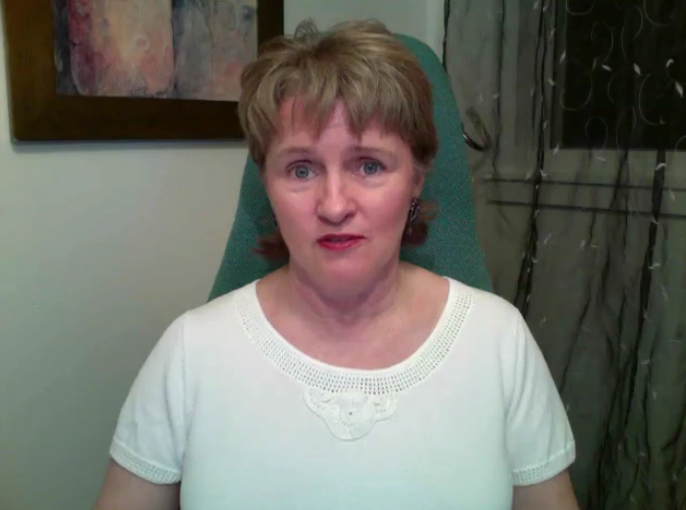
Dr. LaCombe is a Registered Psychologist and practising psychotherapist.
She's also the publisher of MyShrink.com
Visit her personal site to learn more.
Dr. LaCombe
I’m actually an enthusiastic newbie to therapy. Sites such as yours really provide a lot of helpful information for someone in my position.
Keep up the fine work!
- Vivian
In the following article, I share a little of my own experience that inspired the development of this site.
Choosing the Right Counselor
Hi, I'm Shrinklady,
Is therapy a waste of time?
What can you expect when you go to therapy?
And, how do you get the most bang for your buck?
I had a friend once who saw the same psychiatrist for over ten years and yet never seemed happier or more settled. In fact, there always seemed to be the “same crisis - different day” that he was cycling through.
If I would hazard a guess, I'd say he became even more entrenched in negative and self-limiting patterns. Moreover, his behaviors were grating on everyone’s nerves. His “friends” were shaking their heads and I found myself checking out until we were no longer emotionally close.

I had an insight on the matter one day. I remember mentioning how I was working through some really tough "issues" with my therapist. He looked at me kinda funny like and said, "You know, my therapist and I never talk like that and he never refers to "issues".
Wow! That's when it hit me. He literally had no awareness of his "issues" or even that repetitive patterns were stalling his life. As far as I could tell, his therapy was "helping" him accommodate to all the "awful" people and situations in his life. It was all about problems coming in from the outside - his girlfriend, friends and work. It was never about deepening his consciousness into his own responsibility for co-creating the difficulties he was mired in.
His therapist was colluding with his distorted way of seeing the world and blocking his personal growth. They appeared to be just chatting about his problems, not doing real therapy work to resolve them.
See if therapy is right for you.
Free Event: Choosing a Therapist Webinar
Expect change in your therapy
When clients first come to see me they often ask me "how long will it take for me to start feeling better" - a question most therapists hate to answer.

I tell them that they should be sensing the beginnings of change in themselves between four to six sessions. Now those changes may not be in those areas they're in therapy for - after all, the body-mind works with it's own agenda.
Nonetheless, they should see at least an inkling of a new behaviour or notice a small positive shift in feeling during this time. At minimum, one hopefully feels encouraged, even lighter.
The nature of these early changes will be unique for each individual because our emotional "stuff" reveals itself in countless, personal ways. Naturally, our history shapes the speed at which we progress.
Therapeutic change is usually measured in relation to some original "baseline". This may mean that over time, we are gradually more able to sustain emotional contact with the therapist without feeling flushed or breaking eye contact. Outside of therapy, this might result in feeling more comfortable just hanging out with friends.
For others, their sleep may improve or their anxiety lessens, especially when the hope of more change comes into sight.
So, when I hear of stories of people who've endured hundreds of hours of therapy and spent thousands of dollars with little personal change, I'm confused. It's heart-breaking to hear.
Is finding a good therapist just a crapshoot?
I suspect that if folks knew what to demand from their therapy there'd be a lot more satisfied clients around. Then therapy wouldn't be a hit-and-miss for so many clients.

As you may have guessed from reading the material on this site, I believe that the quality of the therapist-client connection is fundamental to client change. And, I’m not alone in this perspective.
Most therapists say that they do honor the therapeutic relationship. Indeed, every newbie therapist knows about the consistent research results confirming that no matter what type of therapy, the therapeutic relationship is the common factor for change.
Over and over again, this result is repeated in clinical studies. And now neuroscience has a provisional explanation: the therapeutic relationship provides an essential attachment template for healing.
Yet, at the end of the day, there's book learning and then there's the real-timed, lived experience of a face-to-face interaction with a counselor. It's not always so black and white in the real world.
I spent some time looking back at my own personal experiences and other stories from "shrink" friends. The therapeutic relationship is as subtle as any other, a sometimes graceful, sometimes stumbling dance - if you care to notice.
Sometimes the client is more "with it" than the therapist. Before you choose a counseling or psychotherapy service read this:
Top Ten Ways to Know If You're Dealing with a Wonky Therapist.
Sign up for advance notice to my FREE upcoming event!
I'm delighted to announce that I'm hosting a free Webinar on choosing the right therapist.
To be notified a few weeks prior to the Webinar fill in the form below. Learn how a webinar is organized here.
As part of the Webinar, we'll be taking questions from participants. This is your chance to have two seasoned psychotherapists (Dr. Carole and Shrinklady) answer the question that's been holding you back or creating a barrier in your life or your therapy.
I can't promise to get to all questions and it's not required to attend to Webinar. However, this is a great opportunity to listen in as two therapists reflect on your story.
Sunday, November 15th, 12 noon PST Closed
Don't miss out, receive an alert for the next one!
Need to chat with someone now?
Live therapists available 24/7.